How to be an emotionally intelligent friend without becoming a problem deposit site. (8mins)
I watched part of an interview earlier this week between Nikki Giovanni and James Baldwin. The part of the conversation that I caught was centred around how in black relationships we should lie to our partners. In essence, Giovanni was arguing that we should lie to the people we love because if we lie to everybody else in our lives in order to make them happy; like our bosses, colleagues, sexual health clinic staff – why are our partners any different? When talking about black mens’ attitude towards white people, she says, ‘I’ve caught the frowns and the anger. He’s happy with you. Of course he doesn’t know you’re unhappy; you grin at him all day long. You come home, and I catch hell. Because I love you, I get least of you. The very minimum. And I’m saying fake it with me. Is that too much of the black woman to ask of the black man?’ Now, this conversation occurred in the 1970’s, and knowing what we know now about mental health, it is easier to understand how that rhetoric can become dangerous and harmful. Especially as black men have the highest rates in suicides in proportion to other racial demographics. However, I do want to take what I feel like is the most important part of what Giovanni said:
‘Because I love you, I get least of you.’
I know we are all multifaceted people, with different dimensions and character traits to us all. And with this, comes bad days, trauma, anxiety and several other emotionally battering experiences. Who do we often share these experiences and emotions with? Our friends. And that’s because in essence, that’s what our friends are for: sharing stuff with. It’s not always going to be sunshines, lolly pops, and rainbows, and everything won’t be wonderful that you feel when you’re together. (If you didn’t get this reference get your head out of the sand and go outside, you uncultured swine. But I digress). You sign up for this rollercoaster when you make friends, with the acknowledgement that sometimes its not going to be an equal distribution of needing support vs giving support. That’s how healthy relationships work. However, if you are the type of person that finds it easier to decipher people’s problems and communicate both your, and other’s, emotions better than they can at times, you can find yourself in the predicament of always being the friend that’s doing the supporting, and never receiving any of the support. All of your conversations revolve around the other person’s needs and emotions, and there seems to be disinterest when it’s time to talk about your own life. If this doesn’t seem like a relationship you’ve got in your life, you can stop reading here, I’ve been QuoteKwame, and goodnight! However, if this does sound like a relationship (or a few) that you have in your life, keep reading for a little makeshift guide I made with no scientific evidence, or critical analysis to support my claims. (I’m not in uni anymore, you can’t force me to google references that support my claims, just so I can scrape 60 marks).
Kwame’s Declassified Emotionally Intelligent Friend Survival Guide Rule #1: You are not a diary entry.
As invasive as it may be, have you ever read somebody else’s diary? No? Okay cool, well if you’ve ever watched any sitcom, ever, with a teenage girl as a character, you’ve at least heard a voice read one out loud before. When reading or hearing those, nobody ever thinks, ‘Wow, let’s let the diary say something now,’ and that’s because the diary is only seen as a tool to facilitate somebody else’s ability to express their feelings. You see where I’m going with this? Now granted, sometimes we do want someone to just listen to us rather than give their opinion. However, if the majority of your conversations with a friend is them talking AT you, rather than talking TO you, then you are being used as a diary, which is not fair to you. Address this with them, as majority of the time, because you’ve enabled this behaviour for so long, they don’t even realise they’re doing it.
Kwame’s Declassified Emotionally Intelligent Friend Survival Guide Rule #2: Set boundaries.
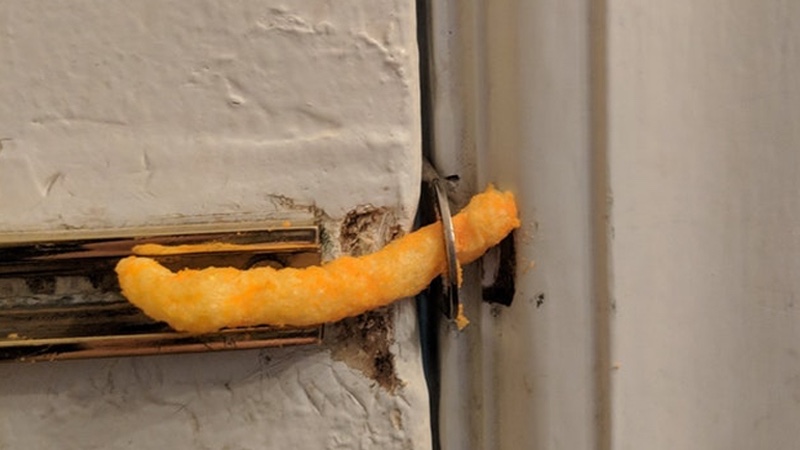
Once you’ve addressed the problem at hand with your friend, you must now set boundaries in place. You may be thinking, ’ahh but that’s gonna change the type of friendship you have.’ News flash brudda, that’s the point. You can love someone and still hate the relationship you have with them. Don’t feel guilty for wanting the relationship quality to match the level of love. Now, here’s a visual representation of some of the boundaries you have in place with some of your friends: *INSERTS MEME OF CRIPS HOLDING GATE TOGETHER*. This isn’t going to cut it. If you’re not firm with the boundaries that you put in place, your relationship is likely to slip back into the same habits that existed beforehand. And soon, you can begin to hate and/or resent that person for not respecting your wishes, while still wanting your advice.
Kwame’s Declassified Emotionally Intelligent Friend Survival Guide Rule #3: You are not a superhero.
THE CITY OF TOWNSVILLE! An ideal city, in an ideal world, where we would all have capes, and are able to teleport places to avoid the London commute. Sounds unrealistic? That’s because it is. Just as unrealistic as the expectations you put on yourself to be able to solve everybody else’s problems. Friends are there to help one another, with the key word here being HELP! Help can only go so far until you are living somebody else’s life for them. As much as it may be difficult to accept, they are not doing the negative things in their life because of your failure to protect and watch over them 24/7. Once you acknowledge that, you may be able to establish a healthier balance between the way you treat your friendships, and the way you treat yourself. *Cue Scrubs them tune here*
If you’ve made it this far, you may be wondering, ‘what qualifications does this brudda have to be giving out advice on how to sustain healthy relationships?’ The answer to that is none. I only have the experience of being in these situations, and I recognise how I felt in them, in contrast to how I feel about the friendships I am in now. And somebody wise said somewhere once, that experience is the best teacher, and that’s all I can really speak from. I wish you all the best in your current and future friendships, and I hope this little guide helps.
Thank you for reading.
[Sources: Nikki Giovanni Interview – https://www.youtube.com/watch?v=W4Ms25PCqaw ]
 QuoteKwame